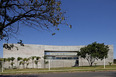
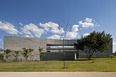
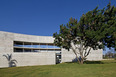
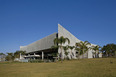
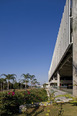
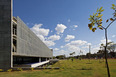
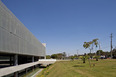
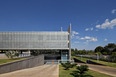
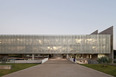
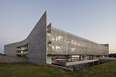
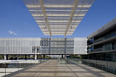
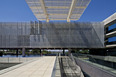
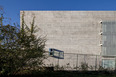
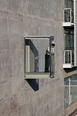
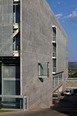
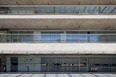
sebrae headquarter brasília df, brazil
- tech chart
- original name: (sebrae nacional) / architect: grupo sp, luciano margotto / principal architects: alvaro puntoni, joão sodré, jonathan davies / architects team: andré nunes, rafael murollo, julia valiengo, isabel nassif / landscape designer: cap consultoria ambiental paisagística / electrics: phe engenharia de projetos hidráulicos e elétricos / hydraulic: phe engenharia de projetos hidráulicos e elétricos / structure: kurkdjian & fruchtengarten
- description
sede do sebrae em brasília-df
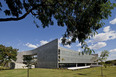
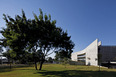
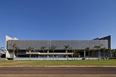
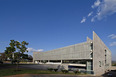
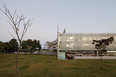
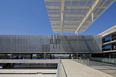
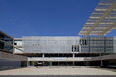
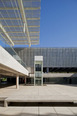
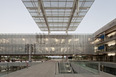
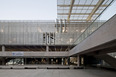
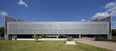
o partido adotado no projeto responde a um só tempo às condicionantes urbanísticas de brasília – incluindo as características topográficas do terreno – e ao caráter da arquitetura que se pretende para a sede do sebrae. o que se propõe não é um edifício, mas um conjunto arquitetônico com: 1) ênfase na espacialidade interna, objetivando a integração dos usuários assim como da paisagem construída e natural; 2) máxima flexibilidade para a organização dos escritórios; 3) preocupação em se obter ótima performance ambiental e econômica.
o pátio
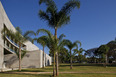
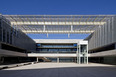
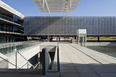
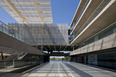
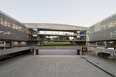
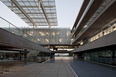
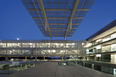
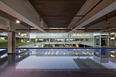
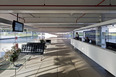
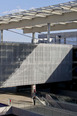
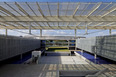
todo o conjunto se desenvolve a partir desta espacialidade interior. desenvolvido em planta, o vazio adquire grande presença no interior do conjunto, na forma de pátio onde se localizam as atividades mais públicas. ao redor desta praça interna, no térreo inferior encontra-se o espaço do centro de formação e treinamento (cft) e os restaurantes, enquanto no térreo superior estão os principais acessos do conjunto, com varandas e a cafeteria abertas à cidade e ao lago.
a topografia e o sentido espacial. o térreo multiplicado
são dois os térreos. optou-se por abrir um plano construído abaixo do nível da soleira, integrando-o verticalmente ao nível dos acessos, como térreos multiplicados, iluminados e ventilados pelo espaço livre que os circunscrevem, o que lhes concede expressão arquitetônica. o chão do edifício, público, é construído, portanto, distinto do terreno natural que o circunda, destinado às áreas verdes permeáveis.
a distribuição do programa
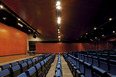
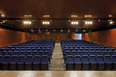
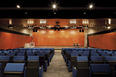
o arranjo do programa está diretamente ligado com a disposição das peças edificadas no terreno. na base do conjunto (térreo inferior e superior) encontram-se as funções coletivas, as atividades que por vezes recebem colaboradores ou público externo, cft e restaurantes. estes espaços estão organizados e articulados pela praça de estar, marcada ainda pela presença do auditório.
as funções administrativas, cdn e o corpo diretivo estão concentrados nos pavimentos superiores.
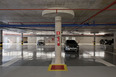
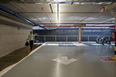
no subsolo está organizado em um único pavimento a garagem e atividades relacionadas a manutenção predial..
os escritórios: modularidade e flexibilidade
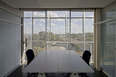
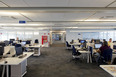
o projeto prevê facilidades para alterações constantes de arranjos, tanto para os espaços, quanto para os componentes de instalações prediais e de infra-estrutura – piso elevado, forro e ausência de pilares no meio dos pavimentos.
a área disponível para os escritórios é, realmente, livre.articulação, circulação e infra-estrutura
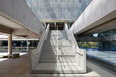
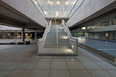
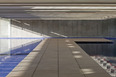
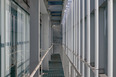
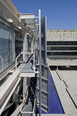
para conectar todos os setores, criou-se uma estrutura periférica dupla – dois castelos de circulação vertical, infra-estruturas e apoios diversos – com múltiplas possibilidades de ligação: escadas protegidas ou escadas comuns, varandas, passarelas e elevadores coletivos ou privativos promovem a comunicação entre os diversos espaços.
a circulação incorpora no desenho do percurso cotidiano o vazio central, acentuando sua presença.
todas as redes de infra-estrutura se distribuem para o conjunto a partir de lajes com instalações (forros e pisos elevados) e dutos verticais especializados (shafts).
acabamento e expressão arquitetonica
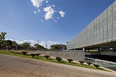
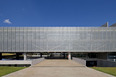
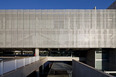
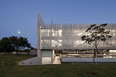
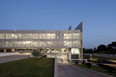
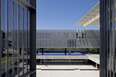
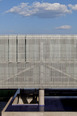
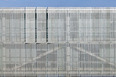
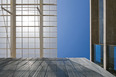
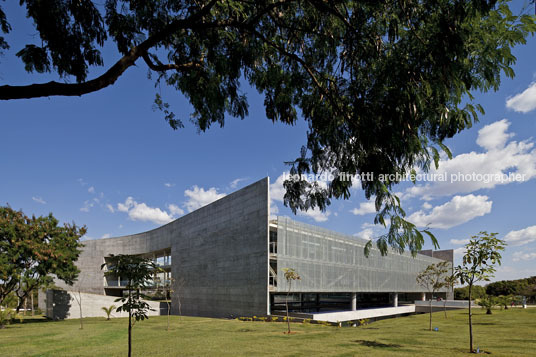
a expressão arquitetônica do conjunto arquitetônico proposto esta estreitamente vinculado as decisões de projeto que concorrem no sentido de proporcionar uma obra organizada e eficiente com redução estratégica das ações construtivas. as estruturas serão tratadas e permanecerão aparente, evidenciando-se a plasticidade do aço e concreto. os painéis metálicos quebra-sois garantiram a integridade do conjunto.
conforto ambiental e eco-eficiência
presta-se atenção a todas as discussões contemporâneas sobre práticas de projeto e construção que possam reduzir ou eliminar significativamente os impactos negativos dos edifícios em seus ocupantes e no meio ambiente, em cinco grandes áreas: 1)planejamento sustentável do site; 2) proteção e uso eficiente da água; 3) eficiência energética e energia renovável; 4) conservação de materiais e recursos; 5) qualidade do ambiente interno.
o conjunto, se edificado, com o térreo aberto permitirá visuais alongadas, sublinhando a possibilidade de extensão do chão público sem comprometer o gabarito que resguarda o céu de brasília e que estará presente no grande espaço central conformado.
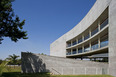
finalmente, a delicada curva do castelo de serviços na face norte, além de ceder parte do terreno para cidade marca a singularidade desta construção, nem pretensamente palácio nem isolada, mas superfície convergente e multiplicadora da urbe, sua historia, sua vida.